
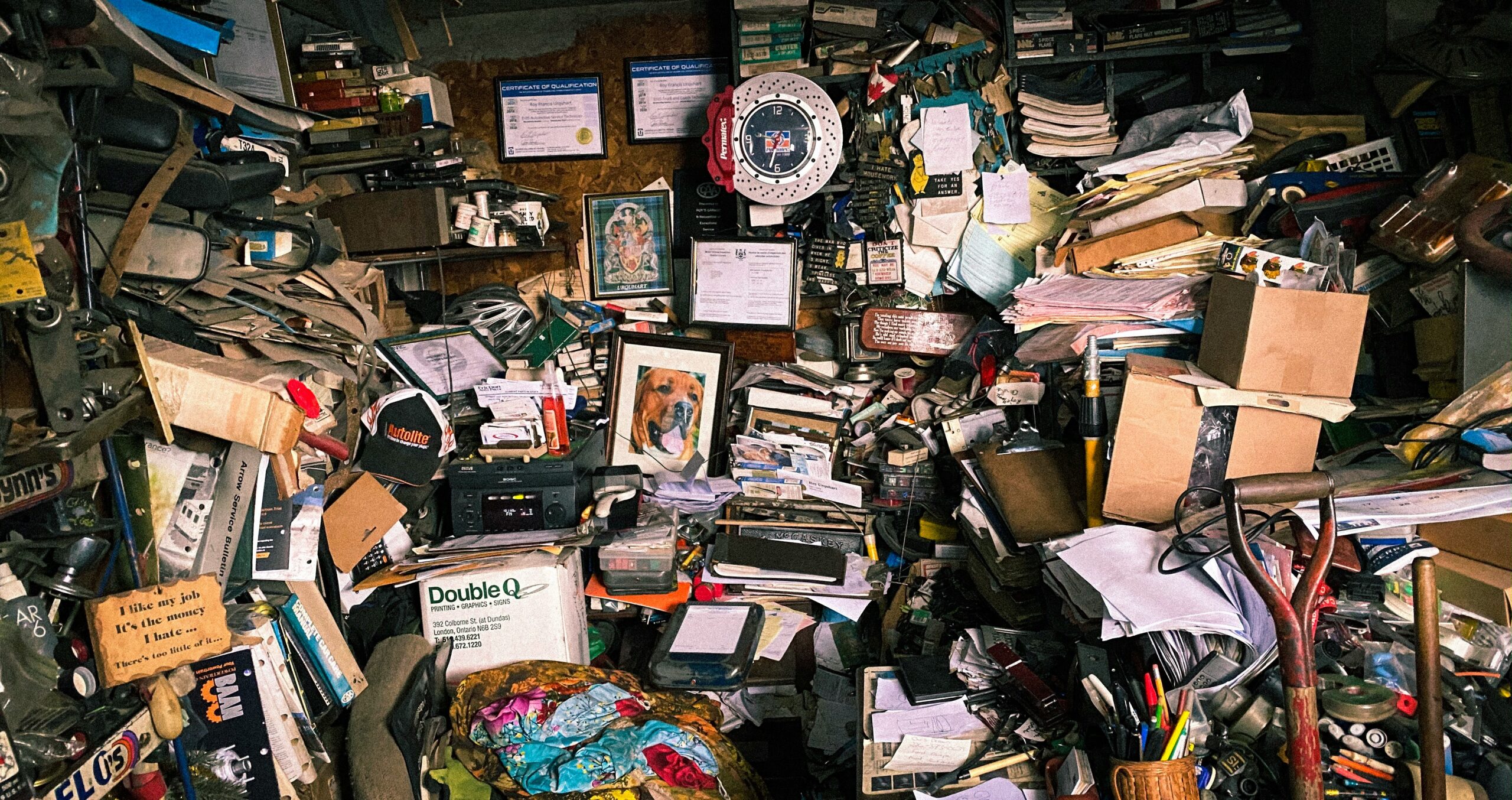
Every audio engineer has seen this in their project folder:
ArtistName_final.wavArtistName_final2.wavArtistName_final_ACTUALLY_USE_THIS.wavArtistName_final_MASTER_approved_v7(2).wav
It’s funny until you’re three weeks into revisions, the client is asking which version had the brighter vocal, and you’re opening files one by one trying to remember what changed between v8 and v9. At that point, it’s less meme and more migraine.
Poor audio engineer file management doesn’t just waste your time — it damages your credibility. When a client asks “can we go back to the snare from version 4” and you can’t find it, or when they approve a mix and then claim two weeks later that you sent the wrong version, the chaos reflects on you.
Here’s how to build a file management system that scales with your workload and protects your time.
Why Audio Engineer File Management Breaks Down
File naming grew out of necessity. Your DAW bounces files, clients send stems, revisions pile up, and everyone invents their own naming convention on the fly. For the first project or two, it works. But as your client roster grows, the cracks show fast.
Memory fades. Did mix4 have the new snare, or was that mix5? When you’re juggling five active projects, remembering which file had which change becomes impossible.
Client confusion multiplies. The client is reviewing v7. Their manager is commenting on v9. Their A&R heard v6 and wants that version instead. Now you’re reconciling three separate feedback threads, none of which reference the same file.
Revisions take longer. When a client says “can we go back to the low end from version 3,” you’re spending 20 minutes opening files to find the right one instead of actually making the change.
Disputes happen. Client: “You sent the wrong final.” You: “No, this is the version you approved on Tuesday.” Without a clear naming system and version log, you have no proof — and the client assumes you messed up.
The fix isn’t working harder to remember. It’s building a system that doesn’t require memory in the first place.
The Hidden Cost of Ad-Hoc Naming
When your file management system is improvised project by project, every new client means reinventing the wheel. Professional audio engineer file management means you can find any file from any project in under 30 seconds.”
And when file names are inconsistent, searching becomes impossible. Need to find all the “vocal up” versions you’ve ever sent to a specific client? Good luck. Your file system has become a junk drawer.
Professional audio engineer file management means you can find any file from any project in under 30 seconds. That’s not perfectionism — it’s basic infrastructure.
How Other Industries Solved Version Hell
This problem isn’t unique to audio engineers. Designers, developers, and video editors all battle version chaos. The difference? They’ve built systems to handle it.
- Software engineers use Git — every version is tracked, every change is documented, and rolling back to a previous version takes one command.
- Designers use Figma — version history is automatic, and anyone can see what changed and when.
- Video editors use frame.io — every revision is timestamped and tied to specific feedback comments.
Audio engineering is one of the last creative fields still operating on ad-hoc file naming. That’s not because the work is less complex — it’s because the industry hasn’t standardized a solution yet.
But you don’t need to wait for the industry. You can build your own system today.
Build an Audio Engineer File Management System That Scales
The first step is establishing a consistent naming convention that works across every project. Not a complicated system — just a clear, repeatable pattern.
The structure: ClientName_SongTitle_MixType_VersionNumber_Date.wav
Example: JohnDoe_SummerVibes_StereoMix_v3_2026-02-20.wav
Why this works:
- Client name first — you can sort all files for a client together
- Song title — distinguishes multiple tracks for the same client
- Mix type — stereo, instrumental, stems, TV mix, etc.
- Version number — sequential, no “final” or “approved” in the filename
- Date — ISO format (YYYY-MM-DD) sorts chronologically
This system is human-readable, machine-sortable, and self-documenting. Six months later, you can look at the filename and know exactly what it is without opening it.
Keep a Version Log (It Takes 30 Seconds Per Bounce)
A file name tells you what the file is. A version log tells you why it exists and what changed.
Every time you bounce a new version, add one line to a simple text file or spreadsheet:
| Version | Date | Changes | Client Notes |
|---|---|---|---|
| v1 | 2026-02-15 | Initial mix | — |
| v2 | 2026-02-17 | Vocal up 1.5dB, pulled back reverb | Client: “vocal buried in chorus” |
| v3 | 2026-02-20 | Tightened low end, brightened hi-hat | Client: “needs more clarity” |
This takes 30 seconds per version. In exchange, you get:
- A searchable record of what changed and when
- Protection when clients claim you “never addressed” their notes
- The ability to instantly recall which version had which treatment
When a client says “can we go back to the snare from version 4,” you open the log, see what changed in v4, and either send that version or recreate the treatment in the current mix. No guessing, no opening ten files.
Organize Client Files Before You Start Mixing
File chaos doesn’t start with your mix bounces — it starts when the client sends you files. Stems arrive via WeTransfer, references come through email, revised vocal takes show up in a Dropbox link, and project notes are buried in a text message.
Before you open your DAW, centralize everything. Create a master project folder:
ClientName_SongTitle/
├── 01_ClientFiles/
│   ├── Stems/
│   ├── References/
│   └── ProjectNotes.txt
├── 02_Sessions/
├── 03_Bounces/
└── 04_Finals/
When the client sends files, they go into 01_ClientFiles immediately. Your mix bounces live in 03_Bounces. Final approved deliverables go in 04_Finals.
This structure means you always know where to find something. Client asks “did I send you the revised vocal?” You check 01_ClientFiles/Stems and you have the answer in five seconds.
Set Clear Approval Checkpoints
One reason version numbers spiral is that “approval” is never clearly defined. The client says “sounds great,” you assume that means approved, you bounce the file, and then two weeks later they say “wait, can we change one more thing?”
Make approval explicit. When you send what you believe is the final version, include a sign-off step:
“This is mix v5, incorporating all the notes from our last round. If this is approved, let me know by [date] and I’ll deliver the final files. If you need changes, please send all notes at once so I can address them in one revision round.”
This does two things. It signals that you’re at the end of the revision process. And it creates a clear record of when the client approved the mix — which protects you if they come back later with changes outside scope.
The Long-Term Payoff of Good Audio Engineer File Management
Building a file management system isn’t just about finding files faster. It’s about protecting your reputation, your time, and your margins.
When you can instantly recall which version had which treatment, clients trust that you’re organized and on top of the project. When you have a version log that documents every change and every piece of feedback, disputes don’t happen — you have receipts.
And when your file system is consistent across every project, onboarding new work becomes automatic. You’re not reinventing the folder structure or the naming convention every time a new client shows up.
The engineers who build sustainable practices aren’t the ones with the best ears. They’re the ones with the best systems. And file management is one of those systems that quietly makes everything else easier.
Music projects don’t fall apart because of talent. They fall apart because of process. Audio engineer file management isn’t just about file names — it shapes the way you work, the way you communicate with clients, and how much time you waste searching for files.
The sooner you stop letting ad-hoc file naming run your workflow, the sooner you get back to what actually matters: delivering great mixes on time, every time.
Build the system once. Use it on every project. Your future self will thank you.